


Research
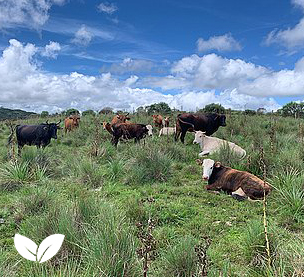
Grazing in the Rio de La Plata Grasslands
With or without livestock – how to sustain and preserve biodiversity, ecosystem functioning and services of grasslands
Grasslands cover up to 40% of the world and provide myriads of ecosystem functions and services to people. Often intensively grazed by domestic livestock, they are central for planetary wellbeing.
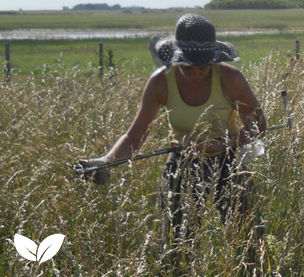
Nutrients and Herbivores
Two of the most pervasive human impacts on ecosystems are alteration of global nutrient budgets and changes in the abundance and identity of consumers. Fossil fuel combustion and agricultural fertilization have doubled and quintupled, respectively, global pools of nitrogen and phosphorus relative to pre-industrial levels.
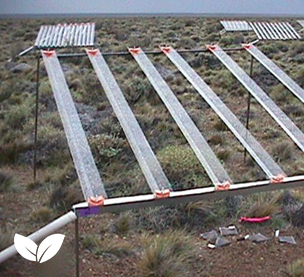
The Sensitivity of Terrestrial Ecosystems to Drought
All ecosystems will be impacted to some extent by climate change, with forecasts for more frequent and severe drought likely to have the greatest impact on terrestrial ecosystems. Terrestrial ecosystems are known to vary dramatically in their responses to drought.
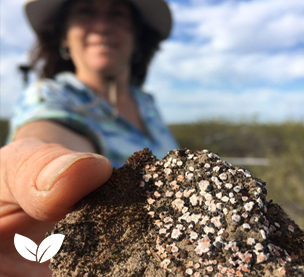
Land degradation in arid Ecosystems
Changes in climate and land use (e.g., increased grazing pressure), are two main global environmental change and desertification drivers in drylands (arid, semi-arid and dry-subhumid areas).

Institutional links

Facultad de Agronomía UBA
Associate Professor Cátedra de Ecología, Dto. de Recursos naturales y ambiente

EPG FAUBA
Director of the Maestría en Recursos Naturales Renovables Terrestres

Instituto de Investigaciones Fisiológicas y Ecológicas Vinculadas a la Agricultura
Principal researcher

Consejo Nacional de Investigaciones
Científicas y Técnicas
Principal researcher

Asociación Argentina de Ecología
President

Red Latinoamericanaa de Ecologia
Founding Member